A sail in the desert wind
Inside the story of an icon — architecture, engineering, and the art of welcome.
Table of Contents
Origins of the vision
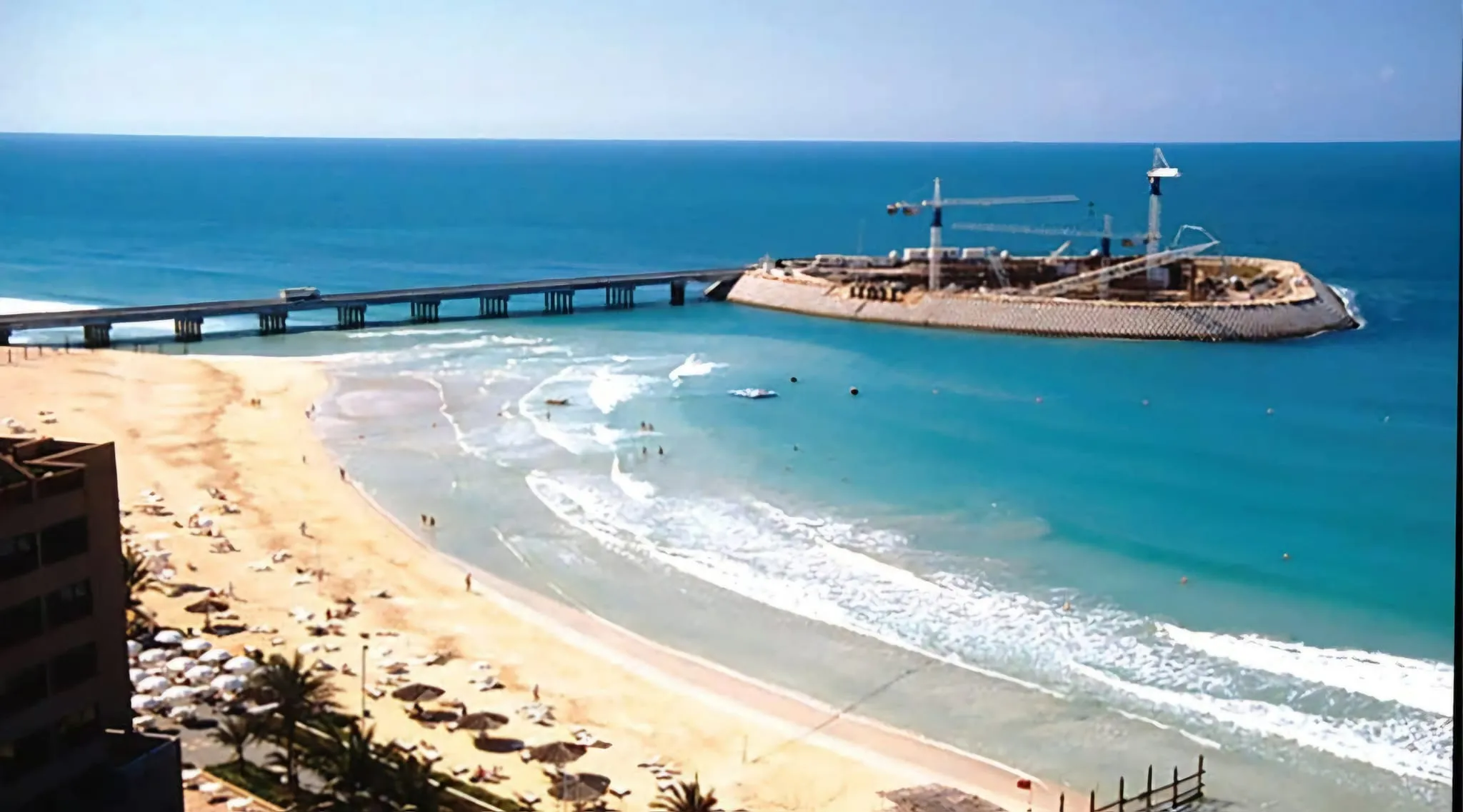
In the 1990s, Dubai set its sights on a symbol that would announce its ambitions to the world — a hotel unlike any other, standing offshore like a sail catching the Gulf’s breeze. The idea was both poetic and practical: create a landmark that would elevate tourism, showcase engineering confidence, and embody a new chapter of hospitality in the region.
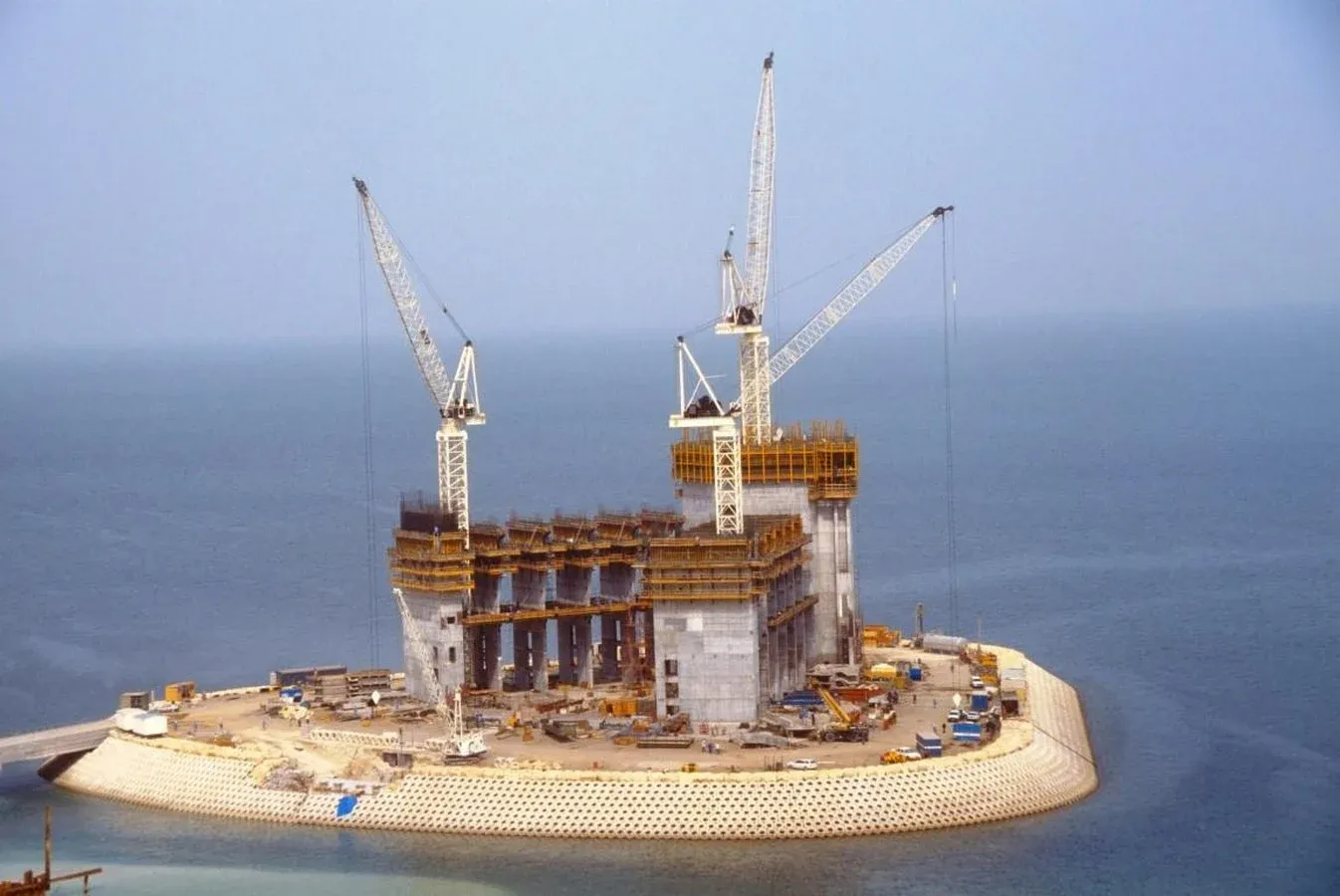
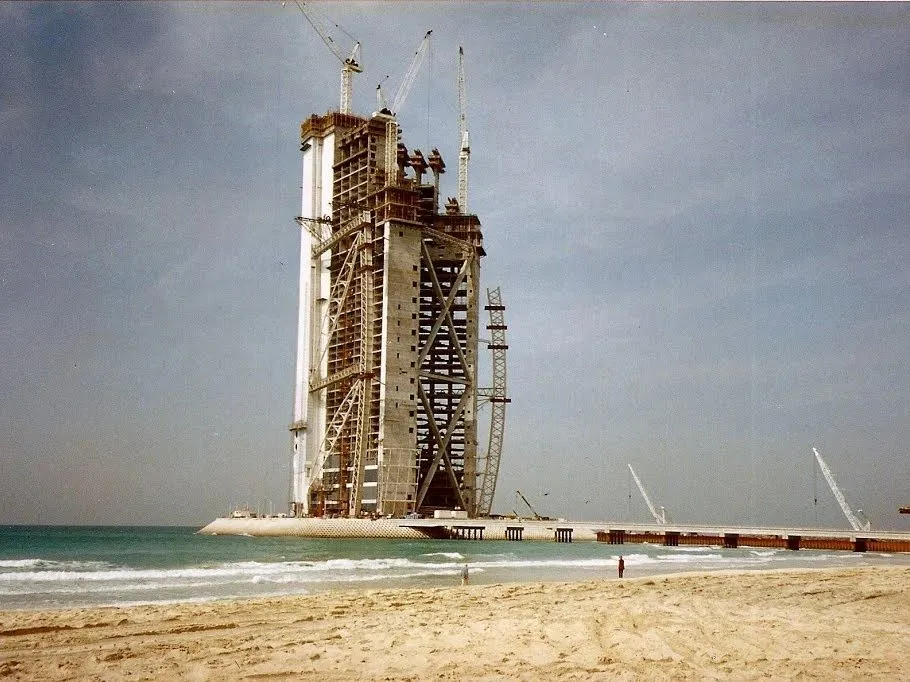
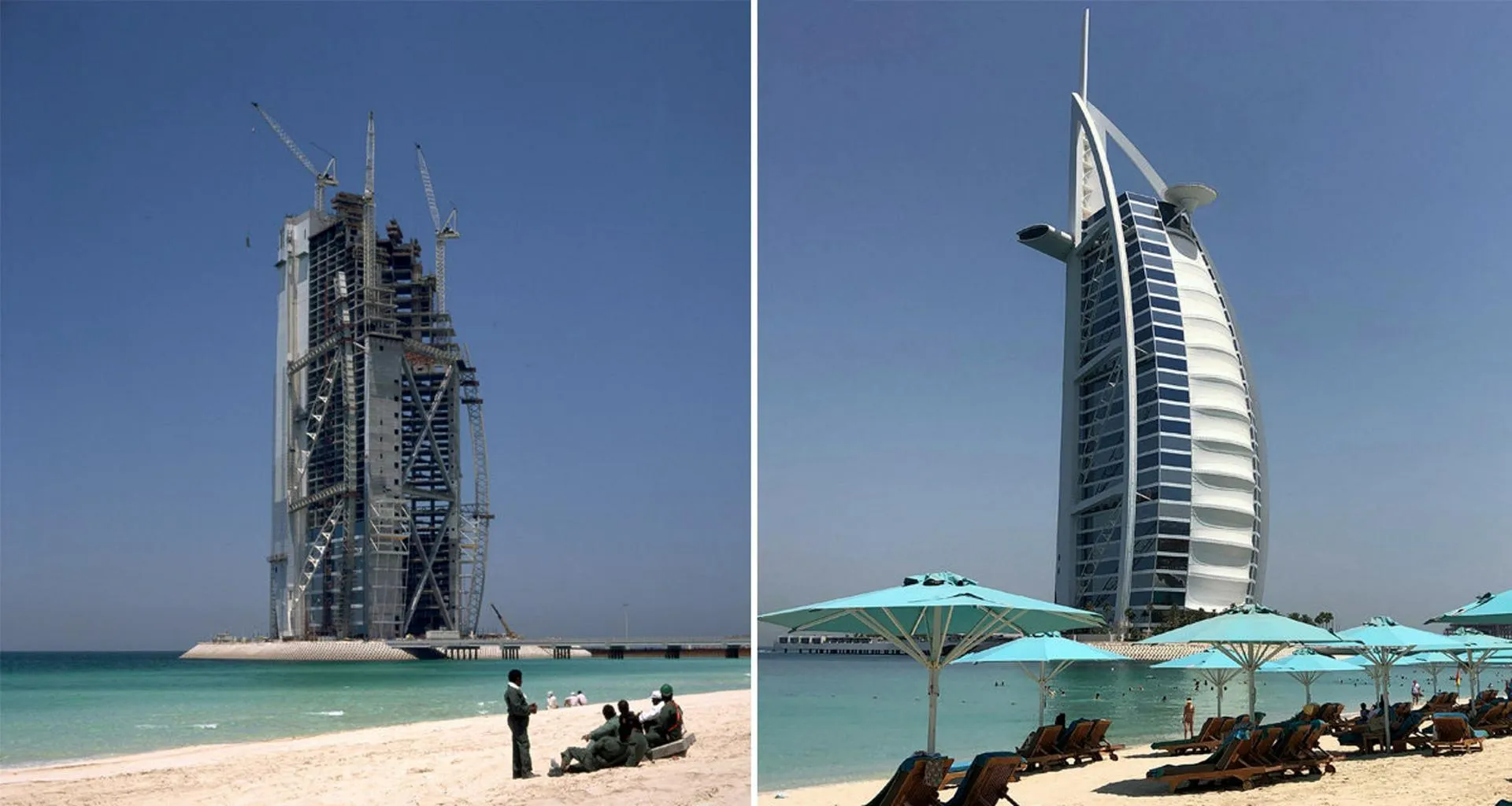
Set on a man‑made island connected by a private bridge, the project demanded vision, patience, and daring. Designers imagined a silhouette that felt instantly memorable; engineers plotted foundations and wind loads; hoteliers dreamed of service so attentive it would become legend. The Burj Al Arab opened in 1999 — a statement piece at the dawn of Dubai’s modern rise.
Design and engineering
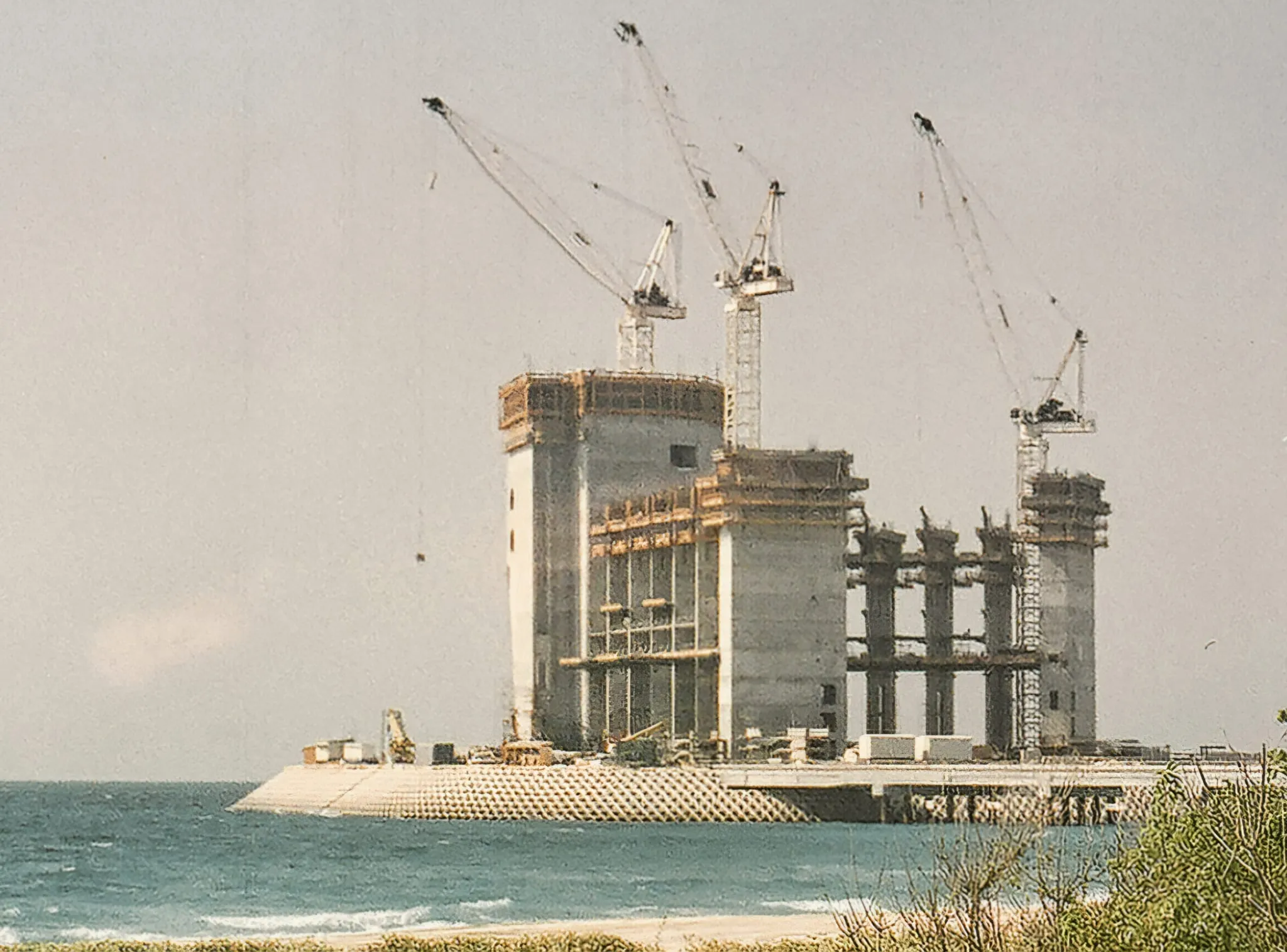
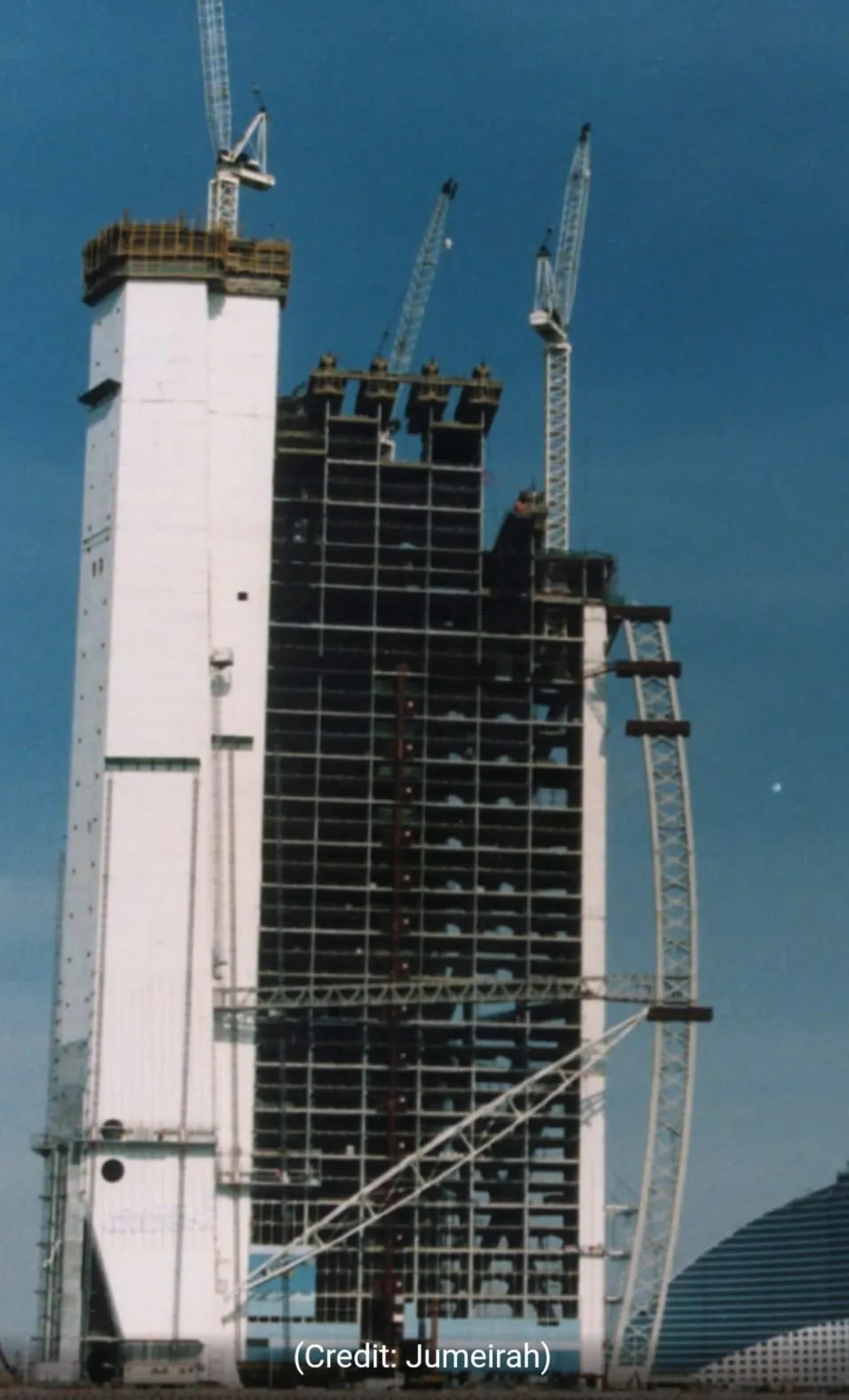
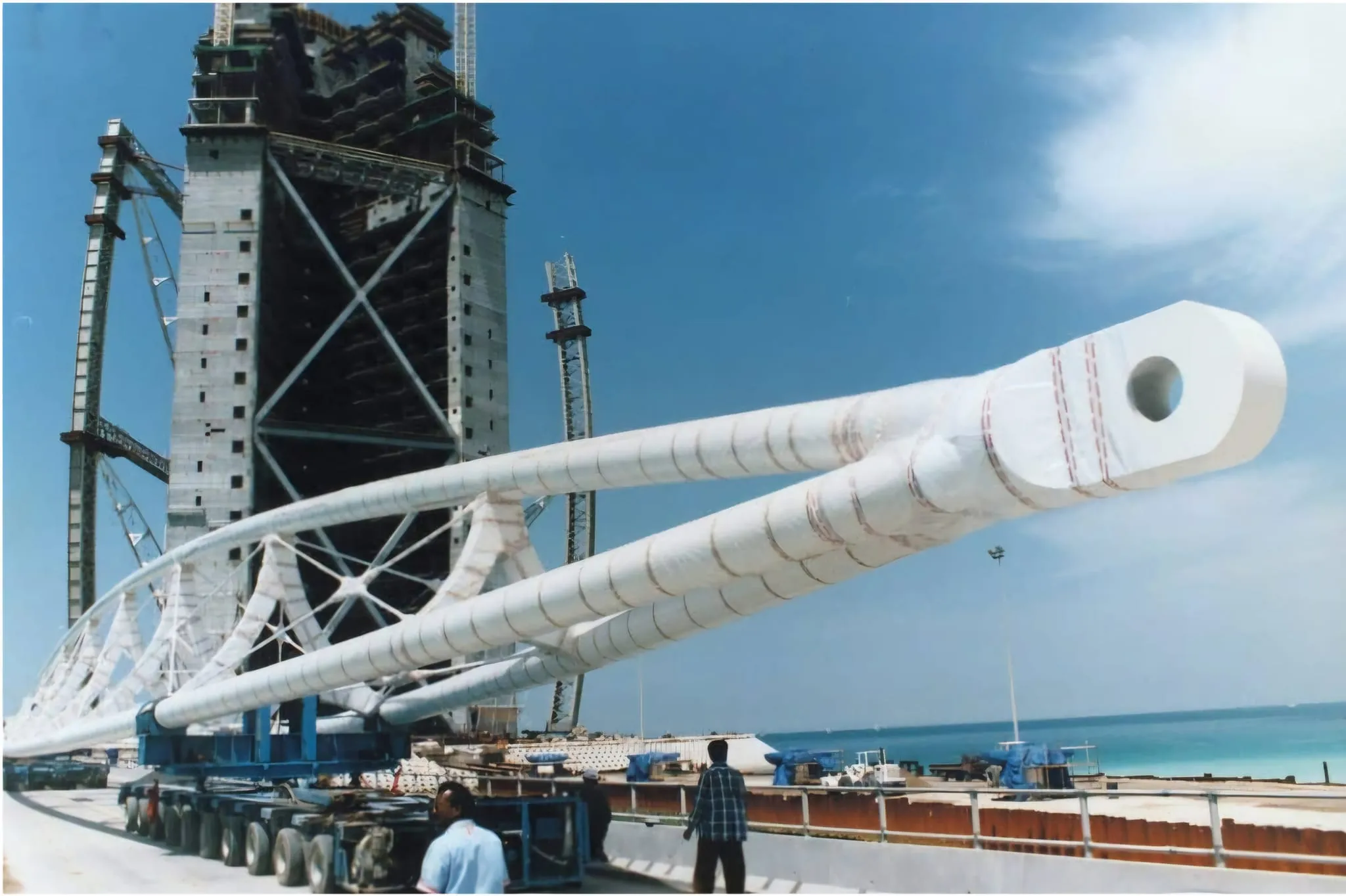
The sail‑shaped silhouette — attributed to architect Tom Wright of Atkins — isn’t just a flourish; it’s an act of choreography between form, function, and spectacle. Twin concrete ‘wings’ embrace a steel exoskeleton, while a Teflon‑coated fabric facade spans between them, glowing like a lantern at night.
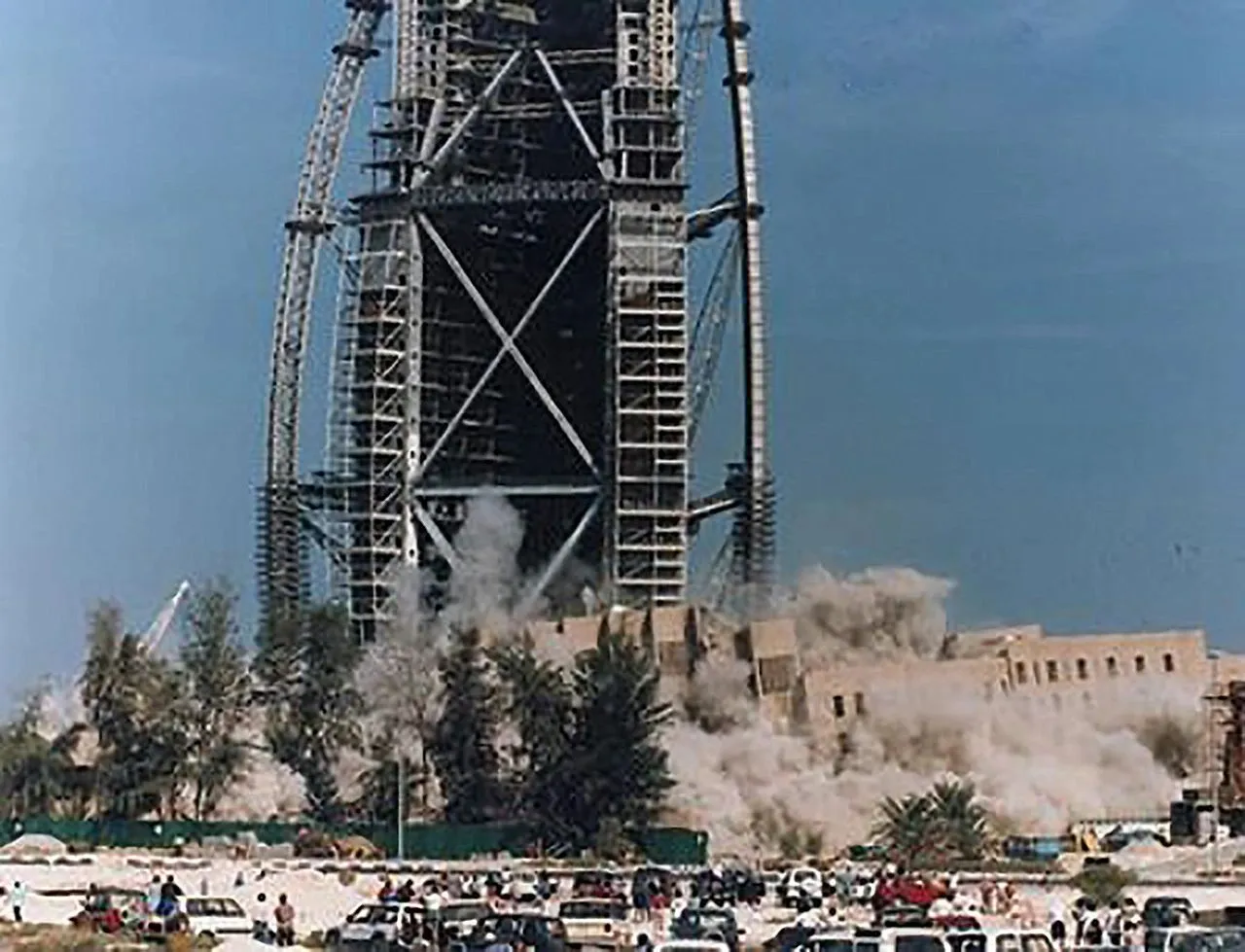
Beneath the glamour lies rigor: marine foundations, wind‑tunnel testing, and an atrium nearly 180 meters high, one of the tallest in the world. Engineers threaded services and lifts through a complex spine, while interior designers layered patterns, color, and texture into a unified, theatrical world that feels unmistakably Dubai.
Iconic hospitality
What makes the Burj Al Arab more than an image is the experience: seamless arrivals, quiet confidence, and hosts who narrate the hotel’s story with pride. From butler service to precise culinary rituals, hospitality here is both attentive and theatrical — an art of welcome that aims to surprise and delight.
Over the years, the hotel has staged moments that traveled the world: a tennis match on the helipad, desert‑to‑sea photo shoots, and stunts that etched its silhouette deeper into popular culture. Yet the day‑to‑day charm is simpler — the way light cascades through the atrium, the hush in a corridor, the cadence of service done well.
The Inside Tour
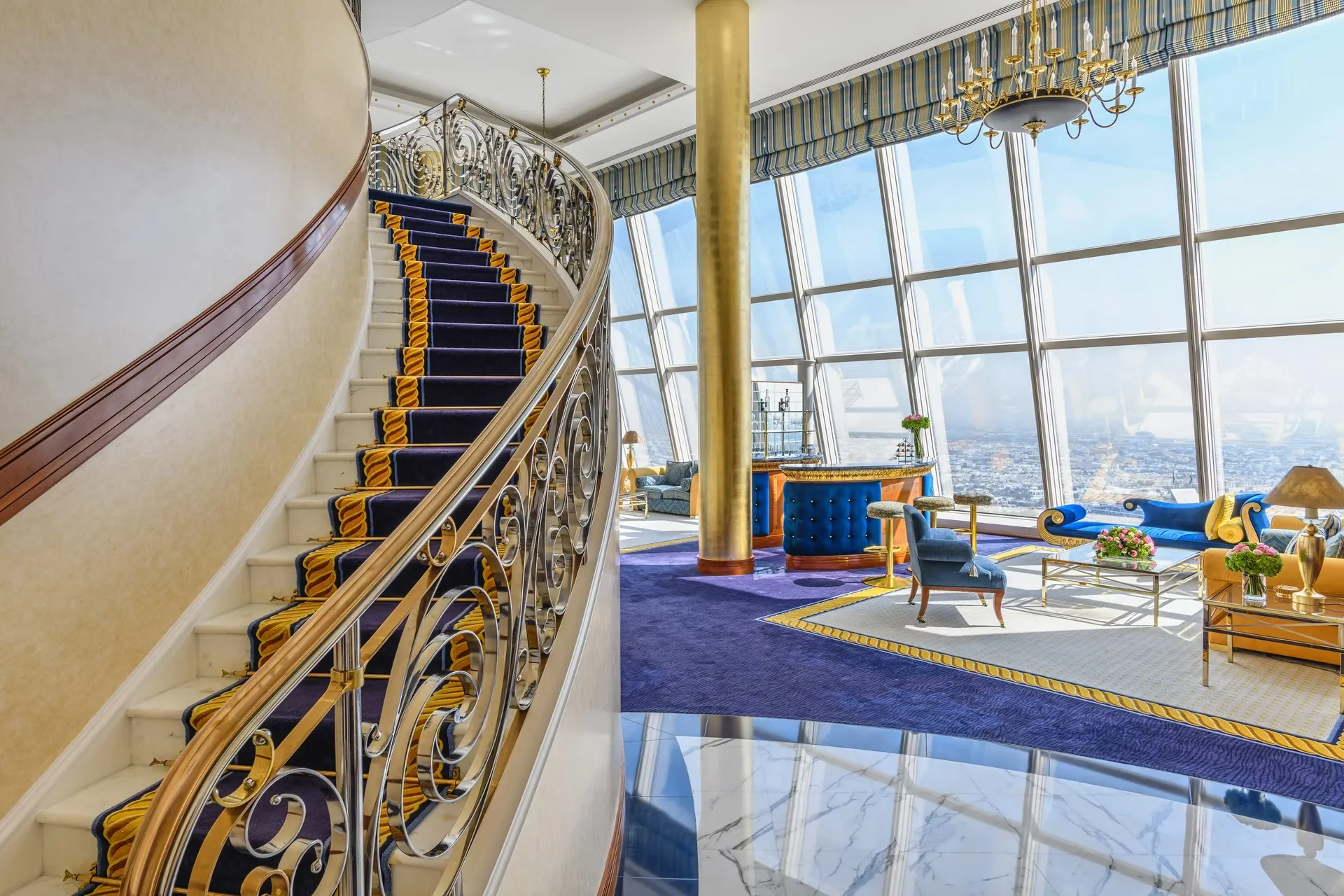
The Inside Burj Al Arab tour distills the hotel’s myths and milestones into a curated walk: atrium perspectives, Royal Suite access, design exhibits, and photo stops that frame Dubai’s skyline. It’s part museum, part backstage pass — led by hosts who keep the pace relaxed and the stories vivid.
Tours are timed and small in size, often available in several languages. Expect gentle security, a smooth check‑in at the Welcome Lounge, and a ride across the bridge by buggy or shuttle. Cameras ready — there are moments you’ll want to remember 📸.
Atrium & architecture
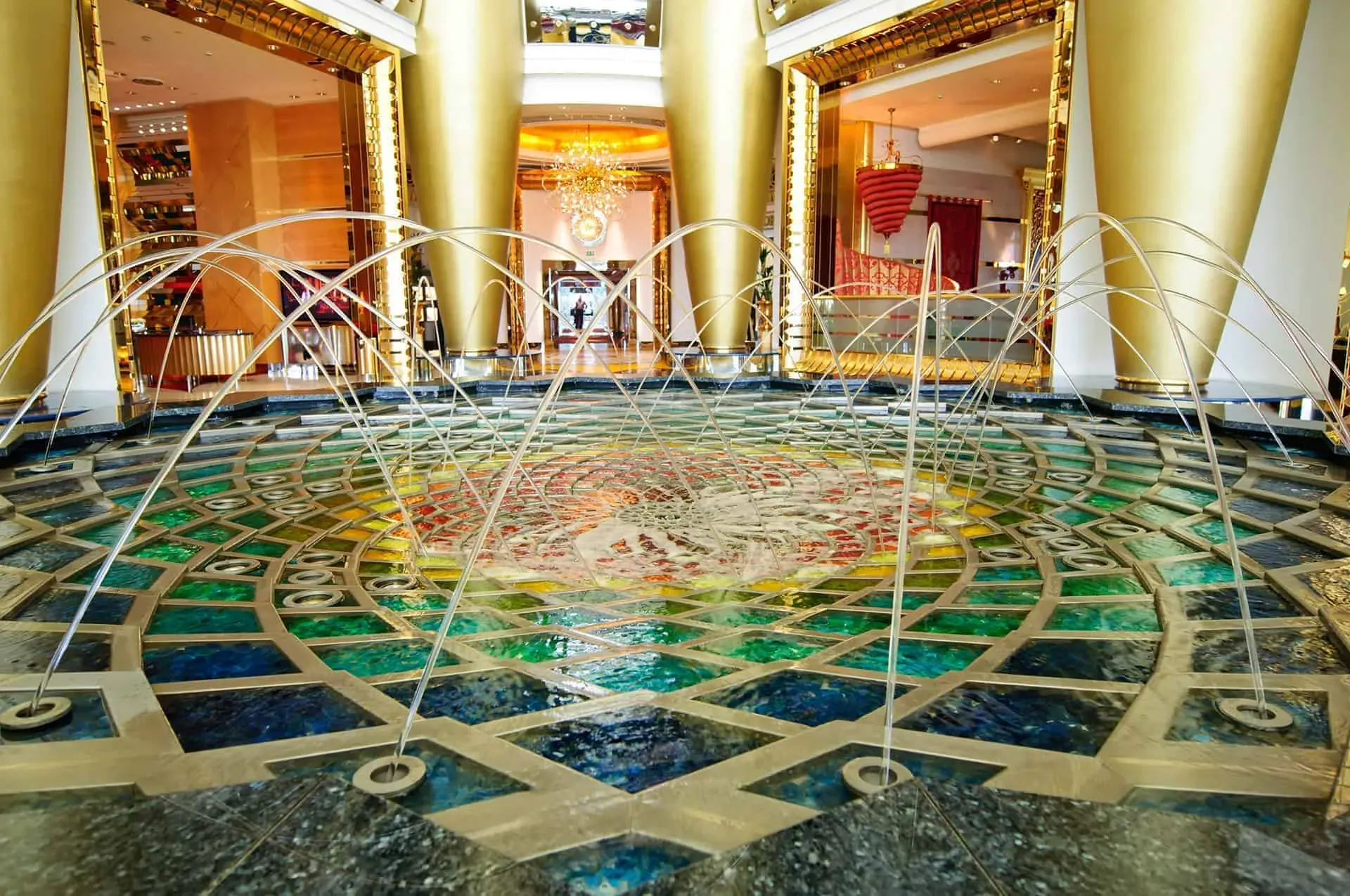
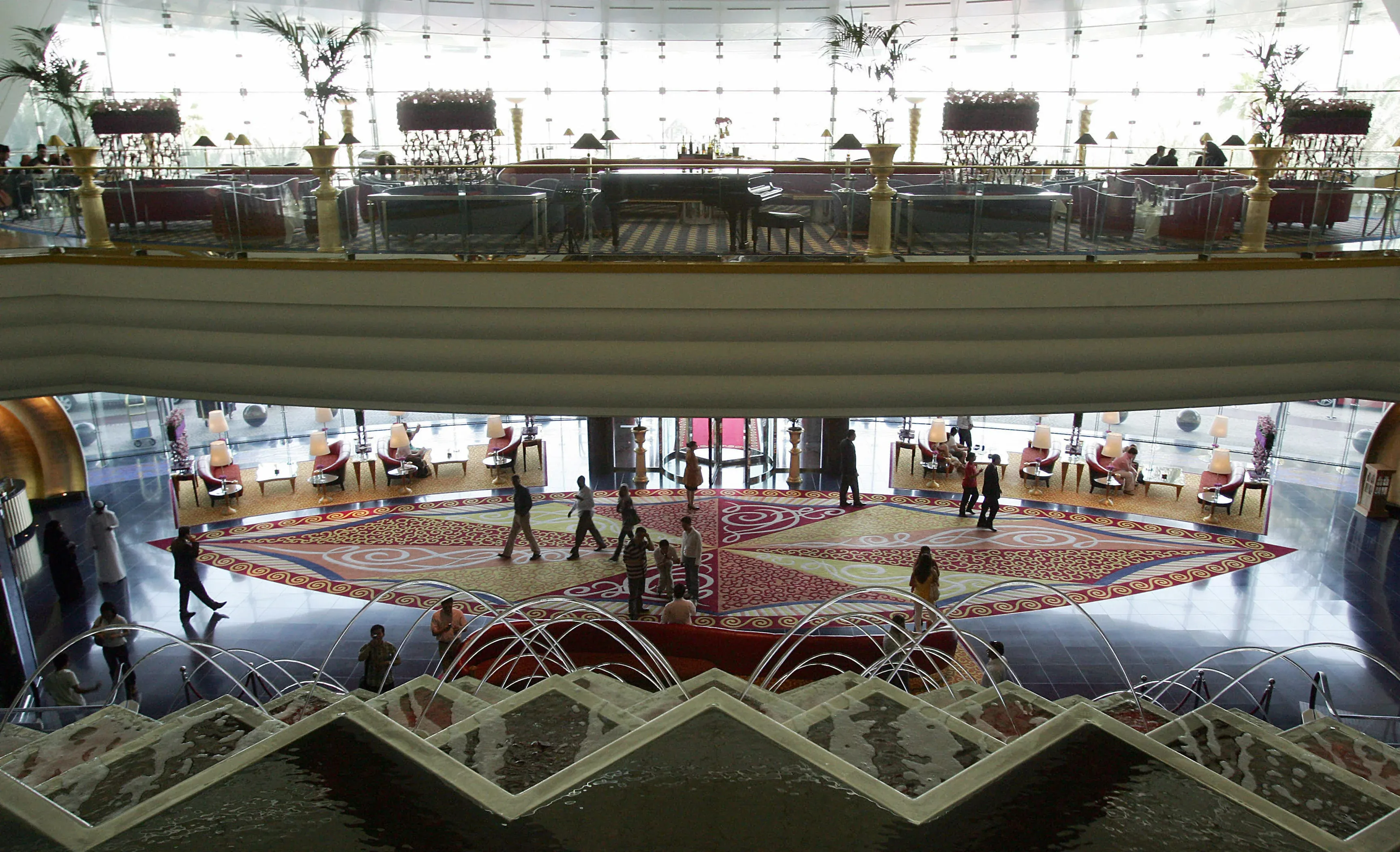
The atrium is a theatre of scale: swooping balconies, patterned mosaics, and columns that feel sculpted from light. Look up — the geometry ascends in tiers and color, a kaleidoscope that turns the everyday act of walking into a procession.
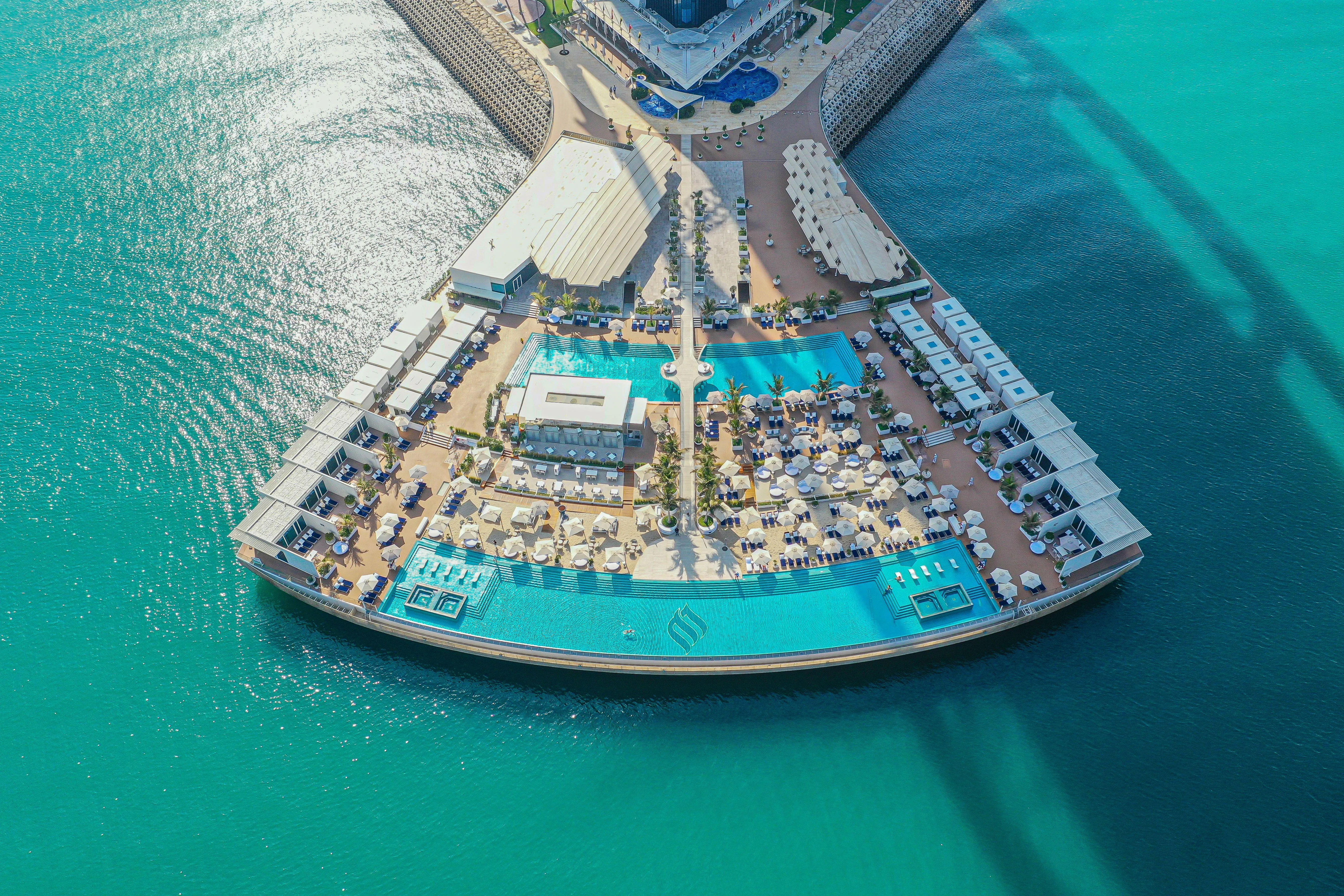
Outside, the sail curves to catch the sun. Walkways and vantage points offer angles for portraits and skyline panoramas. The building feels alive at dusk, when the facade warms and reflections ripple off the Gulf.
Restaurants & afternoon tea
Afternoon tea is a ritual of delight: tiers of pastries, delicate sandwiches, scones with preserves — all choreographed with teas and sparkling views. It’s a lovely pairing with the tour, especially at sunset.
Signature restaurants elevate the mood with tasting menus and refined service. Dress smart casual; reservations are recommended, and special requests are handled with grace.
Getting there & access
Arrivals begin at the Welcome Lounge on the mainland side; from there, you cross the private bridge by buggy or shuttle to the hotel entrance.
Security is discreet but present. Timed entry keeps groups comfortable and the pace unhurried — arrive early to breeze through.
Safety & accessibility
The tour follows accessible routes with lifts and gentle inclines. Hosts assist with timing and seating when needed.
Schedules may adjust during Ramadan, private events, or maintenance. Check updates before your visit.
Events & culture
From seasonal culinary showcases to elegant charity galas, the Burj Al Arab plays host to moments that feel both exclusive and welcoming — where service sets the tone and the skyline sets the backdrop.
Keep an eye out for limited‑time menus and curated experiences that celebrate Dubai’s calendar and global audiences.
Tickets & packages
Book the Inside Burj Al Arab tour online to secure your preferred slot; add afternoon tea or dining for a complete day.
Packages may include welcome drinks, photo add‑ons, or special seating — check current options before booking.
Sustainability & operations
Behind the scenes, hotels like the Burj Al Arab balance efficiency, guest comfort, and environmental standards — from smart systems to careful sourcing.
Choose off‑peak times, respect staff guidance, and savor the experience mindfully — responsible luxury keeps the magic alive for everyone.
Nearby Jumeirah & Madinat
Souk Madinat Jumeirah offers canals, dining, and views of the Burj Al Arab — a lovely add‑on before or after your tour.
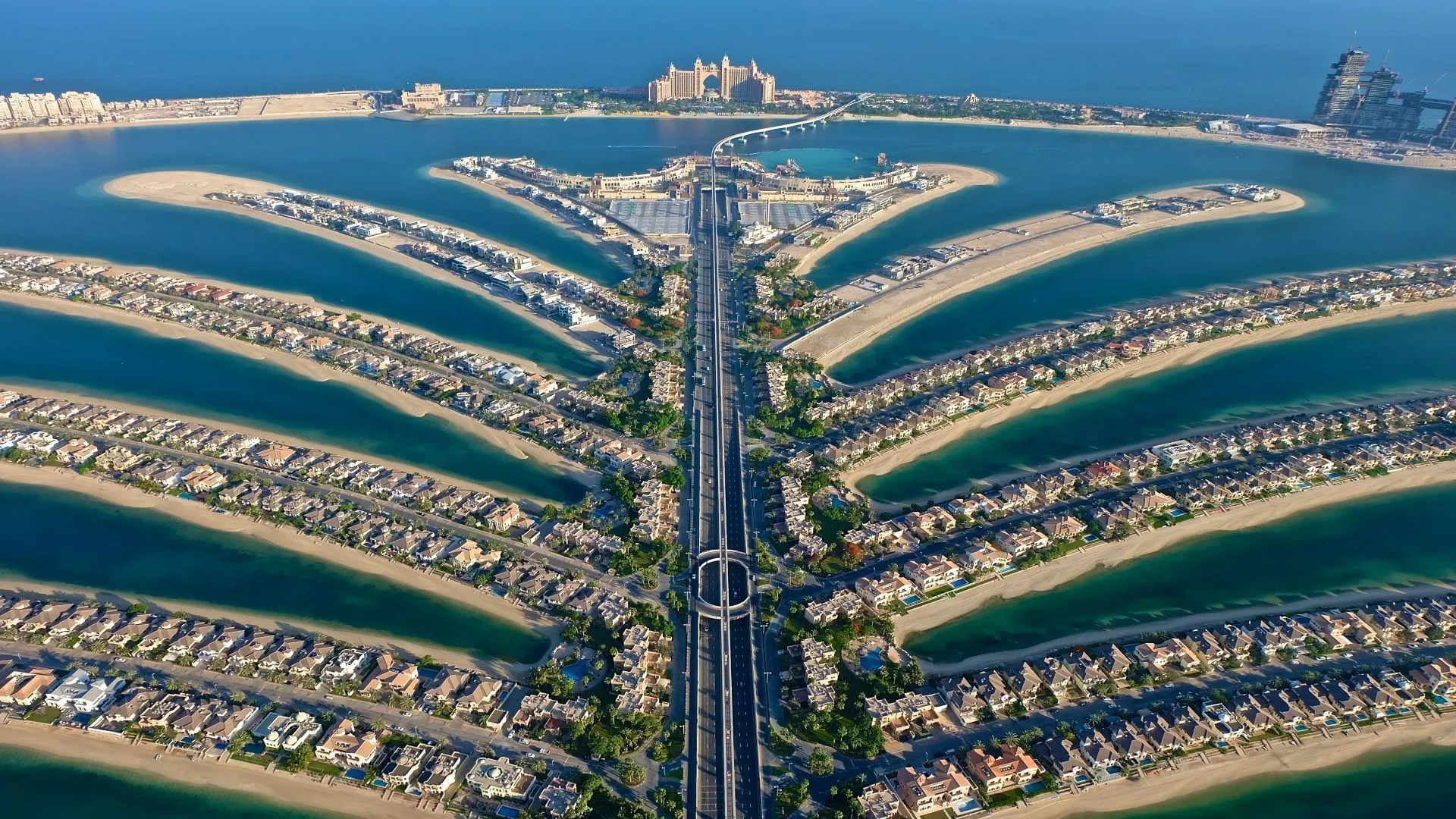
The Jumeirah beachfront and parks invite gentle walks, while Dubai’s wider highlights — Downtown, the Palm — are a short drive away.
Why this icon matters
The Burj Al Arab is more than geometry and glitter — it’s the story of a city learning to dream big, then welcoming the world with warmth and confidence.
Stepping inside connects you to design, engineering, and the living theatre of hospitality — a reminder that places can shape feelings, and feelings shape memories.
Table of Contents
Origins of the vision
In the 1990s, Dubai set its sights on a symbol that would announce its ambitions to the world — a hotel unlike any other, standing offshore like a sail catching the Gulf’s breeze. The idea was both poetic and practical: create a landmark that would elevate tourism, showcase engineering confidence, and embody a new chapter of hospitality in the region.
Set on a man‑made island connected by a private bridge, the project demanded vision, patience, and daring. Designers imagined a silhouette that felt instantly memorable; engineers plotted foundations and wind loads; hoteliers dreamed of service so attentive it would become legend. The Burj Al Arab opened in 1999 — a statement piece at the dawn of Dubai’s modern rise.
Design and engineering
The sail‑shaped silhouette — attributed to architect Tom Wright of Atkins — isn’t just a flourish; it’s an act of choreography between form, function, and spectacle. Twin concrete ‘wings’ embrace a steel exoskeleton, while a Teflon‑coated fabric facade spans between them, glowing like a lantern at night.
Beneath the glamour lies rigor: marine foundations, wind‑tunnel testing, and an atrium nearly 180 meters high, one of the tallest in the world. Engineers threaded services and lifts through a complex spine, while interior designers layered patterns, color, and texture into a unified, theatrical world that feels unmistakably Dubai.
Iconic hospitality
What makes the Burj Al Arab more than an image is the experience: seamless arrivals, quiet confidence, and hosts who narrate the hotel’s story with pride. From butler service to precise culinary rituals, hospitality here is both attentive and theatrical — an art of welcome that aims to surprise and delight.
Over the years, the hotel has staged moments that traveled the world: a tennis match on the helipad, desert‑to‑sea photo shoots, and stunts that etched its silhouette deeper into popular culture. Yet the day‑to‑day charm is simpler — the way light cascades through the atrium, the hush in a corridor, the cadence of service done well.
The Inside Tour
The Inside Burj Al Arab tour distills the hotel’s myths and milestones into a curated walk: atrium perspectives, Royal Suite access, design exhibits, and photo stops that frame Dubai’s skyline. It’s part museum, part backstage pass — led by hosts who keep the pace relaxed and the stories vivid.
Tours are timed and small in size, often available in several languages. Expect gentle security, a smooth check‑in at the Welcome Lounge, and a ride across the bridge by buggy or shuttle. Cameras ready — there are moments you’ll want to remember 📸.
Atrium & architecture
The atrium is a theatre of scale: swooping balconies, patterned mosaics, and columns that feel sculpted from light. Look up — the geometry ascends in tiers and color, a kaleidoscope that turns the everyday act of walking into a procession.
Outside, the sail curves to catch the sun. Walkways and vantage points offer angles for portraits and skyline panoramas. The building feels alive at dusk, when the facade warms and reflections ripple off the Gulf.
Restaurants & afternoon tea
Afternoon tea is a ritual of delight: tiers of pastries, delicate sandwiches, scones with preserves — all choreographed with teas and sparkling views. It’s a lovely pairing with the tour, especially at sunset.
Signature restaurants elevate the mood with tasting menus and refined service. Dress smart casual; reservations are recommended, and special requests are handled with grace.
Getting there & access
Arrivals begin at the Welcome Lounge on the mainland side; from there, you cross the private bridge by buggy or shuttle to the hotel entrance.
Security is discreet but present. Timed entry keeps groups comfortable and the pace unhurried — arrive early to breeze through.
Safety & accessibility
The tour follows accessible routes with lifts and gentle inclines. Hosts assist with timing and seating when needed.
Schedules may adjust during Ramadan, private events, or maintenance. Check updates before your visit.
Events & culture
From seasonal culinary showcases to elegant charity galas, the Burj Al Arab plays host to moments that feel both exclusive and welcoming — where service sets the tone and the skyline sets the backdrop.
Keep an eye out for limited‑time menus and curated experiences that celebrate Dubai’s calendar and global audiences.
Tickets & packages
Book the Inside Burj Al Arab tour online to secure your preferred slot; add afternoon tea or dining for a complete day.
Packages may include welcome drinks, photo add‑ons, or special seating — check current options before booking.
Sustainability & operations
Behind the scenes, hotels like the Burj Al Arab balance efficiency, guest comfort, and environmental standards — from smart systems to careful sourcing.
Choose off‑peak times, respect staff guidance, and savor the experience mindfully — responsible luxury keeps the magic alive for everyone.
Nearby Jumeirah & Madinat
Souk Madinat Jumeirah offers canals, dining, and views of the Burj Al Arab — a lovely add‑on before or after your tour.
The Jumeirah beachfront and parks invite gentle walks, while Dubai’s wider highlights — Downtown, the Palm — are a short drive away.
Why this icon matters
The Burj Al Arab is more than geometry and glitter — it’s the story of a city learning to dream big, then welcoming the world with warmth and confidence.
Stepping inside connects you to design, engineering, and the living theatre of hospitality — a reminder that places can shape feelings, and feelings shape memories.